 Tilibou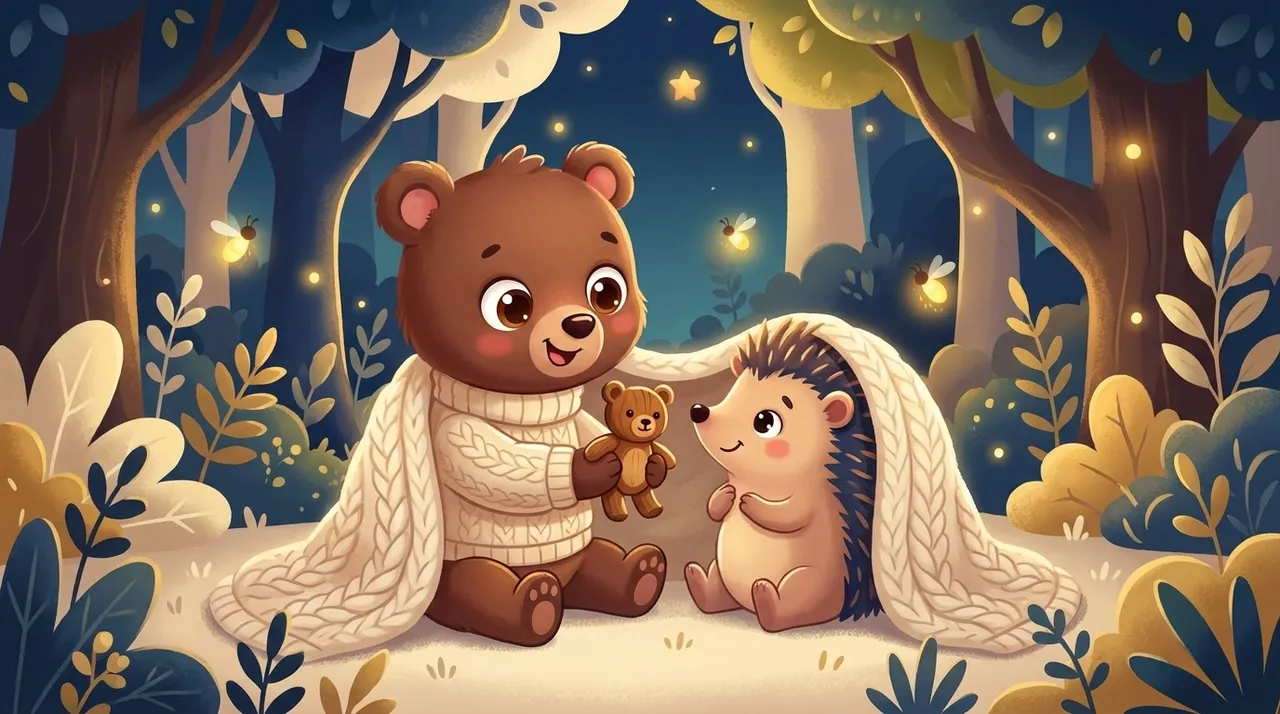
Learning to share (and handling squabbles): a guide for ages 3-7
"It's mine!": if you hear it ten times a day, that's normal. Sharing is a real challenge before age 4, because a young child sees the world from their own point of view. You can support them without forcing it: by giving them time, by valuing taking turns, by respecting their precious belongings. And when a squabble breaks out, your calm defuses more than your refereeing.
Why won't my child share anything?
Because, quite simply, they aren't able to yet. And it's not selfishness, it's their stage of development. Specialists explain that the idea of sharing isn't easy for a toddler to grasp before age 4, because they have an egocentric view of the world. They see life from their own needs and find it hard to put themselves in someone else's place.
For a little one, anything within reach belongs to them. As it's nicely put: the moment they hold an object in their hands, they think "It's mine!" instead of thinking "I really want to play with this object!" Asking a child this age to share is asking for something that doesn't yet make sense to them.
At what age does it really come?
Gradually, and later than we tend to imagine. The benchmark: a child doesn't really understand the meaning of the word "sharing" before age 4. Even at 5 or 6, many children still need help to share.
Around age 4, things start to open up: the child begins to better understand the idea of sharing, can exchange ideas and toys more easily, and likes to give and receive. Around age 5, with your help, they can understand that if an object is precious to them, it may be the same for another child. In short, you sow early, but you reap little by little.
How do you support them without forcing it?
The golden rule: encourage, never force. The advice is explicit: reinforce the value of sharing instead of forcing your child to share. Rather than yanking the toy away, you offer: you can play with this toy for a little while. But when you're done, would you take it over to your friend who'd like to have it?
Three very concrete supports. First, time: give your toddler time to discover a toy they've just received before asking them to share it. Next, taking turns: you play for a few minutes with this toy, and then it'll be your brother's turn. Finally, respect for cherished objects: you can allow your child not to share an object that has emotional value for them (e.g., lovey, doll). A lovey isn't for sharing, and that's perfectly fine.
"Each in turn"
A gentle story where two friends discover the joy of playing together. To talk about sharing without a moral lesson, in the evening, screen-free.
Listen to the episodeAnd when the squabble breaks out?
First thing: breathe, and approach calmly. The advice: approach the squabbling children quickly and calmly. Express your disagreement and stop any aggressive gesture if needed. Name the children's emotions and ask them what happened.
Second thing: don't play judge. The temptation to find a culprit is strong, but it doesn't help. For older children, the recommendation is: don't scold the children who are bickering and don't look for a culprit. Instead, try to understand what triggered the conflict. And above all, let the children look for the solution: taking the time to describe the problem and name the emotions the children feel helps them learn to resolve their own conflicts. You guide, you don't decide for them.
Your example, always and again
Children learn to share by watching us share. The reminder: be a model. When you share with them, they learn to behave the same way with others and to give willingly. A shovel lent to a neighbor, a cake cut in two before their eyes: these small gestures speak louder than a thousand instructions.
Think too about games that build teamwork. The suggestion is to favor games that allow collaboration and cooperation, like building blocks, puzzles, or two-player board games. When you build together, sharing becomes a pleasure, not a constraint.
A few markers for everyday life
To turn "it's mine" into "your turn now":
- Give them time to make a toy their own before suggesting they share it.
- Introduce taking turns: a moment each is concrete and fair.
- Respect their precious objects. The lovey has the right to stay theirs.
- In a squabble, approach calmly, name the emotions, let them look for the solution.
- Set the example and favor cooperative games. Sharing is learned through play.
One word to ease your mind: a child who doesn't yet share isn't a selfish child. It's a child whose brain hasn't finished growing. With your patience and time, sharing will come on its own.
Questions you might be asking
Should I force my child to lend their toys?
No. It's better to reinforce the value of sharing rather than force a child to share. You give them time to enjoy their toy, you suggest taking turns, and you respect the objects that have emotional value for them, like the lovey. Imposed sharing creates tension; encouraged sharing creates the desire.
From what age will my child know how to share?
It builds gradually. A child doesn't really understand the meaning of the word sharing before age 4, and even at 5 or 6, many still need help. Around age 4, they begin to exchange more easily and to enjoy giving. Every child goes at their own pace: supporting them matters more than rushing them.
How should I react when two children fight over a toy?
Approach calmly and stop any aggressive gesture. Name each child's emotions and ask what happened, without looking for a culprit. Help them find a solution themselves, for example taking turns. If one doesn't want to lend, you don't force them: you explain to the other that they can ask again later.