 Tilibou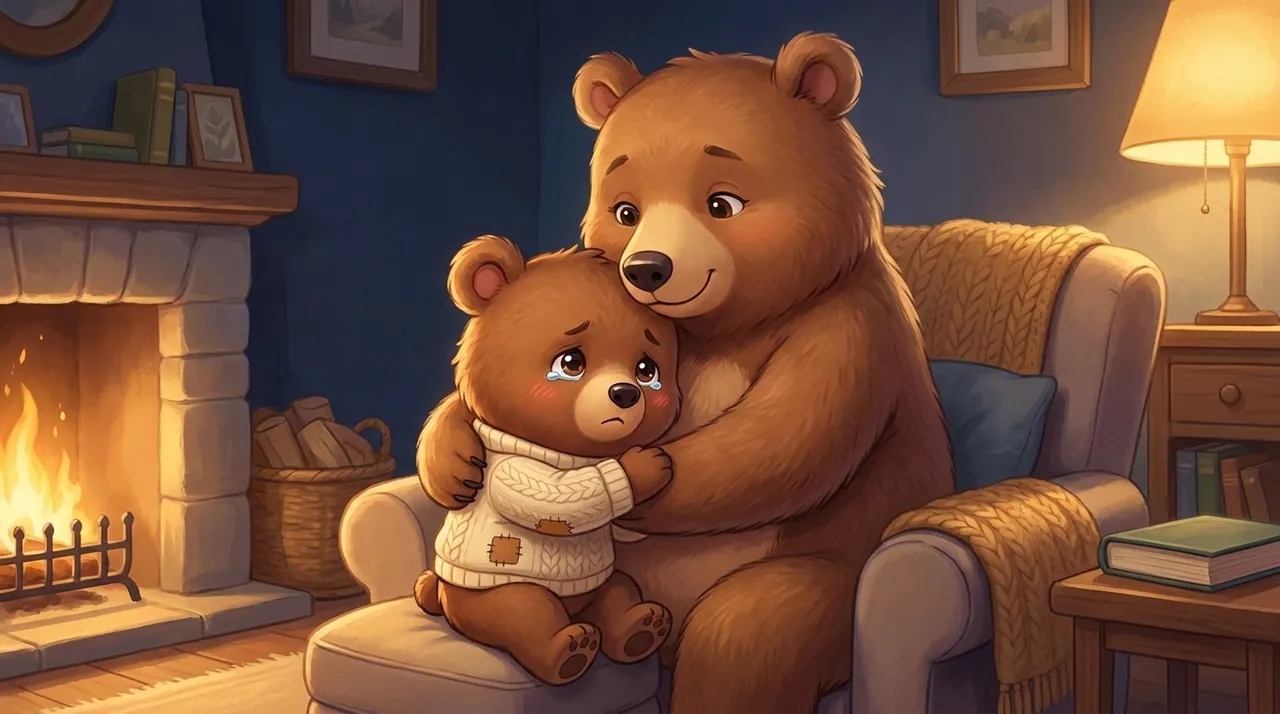
Welcoming your child's sadness: how to comfort them (ages 3-7)
When your child is sad, they don't need the problem fixed right away. They need to be met where they are. Taking their pain seriously, comforting them with a hug, putting words to what they're going through: that's what comforting means. And crying isn't a crisis to stop, it's a normal way of expressing sadness. Presence is worth more than solutions.
Why shouldn't you minimize their pain?
Because a sorrow that's denied doesn't disappear, it hides. When we say "it's nothing, stop crying," we teach the child that their sadness is a bother. The opposite of what we want. Child-development specialists advise taking their emotions seriously: tell them that what they feel is normal and that you understand why they're happy, sad, or angry. They'll then feel reassured, understood, and comforted.
A child's sorrow can seem tiny to us, a broken toy, a drawing that went wrong. To them, it's enormous. Welcoming their sadness doesn't mean finding it justified, it means acknowledging that it's real. And that alone is often enough to ease half of it.
How do you actually comfort them?
First through presence, not words. When the emotion is strong, it's not the moment to explain or reason. As specialists put it: if they're very angry, very agitated, or crying hard, it's not the time to talk. You can comfort them, give them a hug, and wait for them to calm down before asking what's going on.
An arm around the shoulders, a hug, a calm voice: that's the essential part. Feeling heard also speeds up the return to calm: take the time to listen to your child even when you're in a hurry or preoccupied and want to sort things out quickly. A child who feels heard and understood will move on more quickly. Paradoxically, slowing down with them is how you go faster.
Is crying a problem?
No. It's actually healthy. We sometimes have the reflex to want to stop the tears, as if they were the trouble. They're really the child's solution. Crying is also a normal way of expressing sadness.
Letting the tears flow, while staying there, means letting the emotion do its work. You can accompany it without smothering it: hold a hand, offer the lovey, give a knee to rest a head on. Sadness that gets expressed is sadness that lightens. The kind that's held back stays stuck.
"The little tear"
A gentle story where a sorrow finally finds some room and a little comfort. To listen to snuggled up together, in the evening, screen-free.
Listen to the episodePutting words to the sadness
Once the worst of the storm has passed, you can name it. This helps the child understand what just moved through them. A good approach is to start by naming the emotions you observe in them, like joy, sadness, anger, and fear. You might say: "You're crying, you're sad because mommy is leaving?"
And don't hesitate to talk about your own sadness, simply. It's a real gift: talk about your emotions with them. It helps your child understand that it's normal to feel emotions and that they don't have to be ashamed of them or hide them. A child who sees their parents welcome their own pain learns that they, too, are allowed to be sad sometimes.
A few simple gestures to comfort them
When sadness arrives, here's a gentle thread to follow:
- Welcome it without judging: don't say "it's nothing." Their pain is real.
- Comfort first: a hug, presence, a calm voice. Explanations can wait.
- Let them cry if they need to. It's a normal way to release sadness.
- When they calm down, put a word to it: "You were sad, I understand."
- In the evening, a story where a character gets comforted closes the day gently.
One last word: comforting isn't about silencing the sorrow. It's about holding a hand while it passes. And it always passes faster when there are two of you.
Questions you might be asking
Should I let my child cry or try to stop them?
Let them cry if they need to, while staying close. Crying is a normal way of expressing sadness. Rather than stopping the tears, comfort them with a hug and your presence, then put words to their emotion once they've settled.
What if I don't understand why they're sad?
Start by comforting, not investigating. It's best to wait until the child calms down before asking what's going on, because in the middle of a strong emotion they aren't able to explain. Once settled, you can name what you observe and help them put words, even rough ones, to their pain.
How can I help them express sadness other than by crying?
By helping them name what they feel and offering other outlets. A child might hug their favorite stuffed animal, take a moment alone in their room, or talk about their pain. Drawing and play are paths too. What matters is that they feel their sadness is allowed to exist.