 Tilibou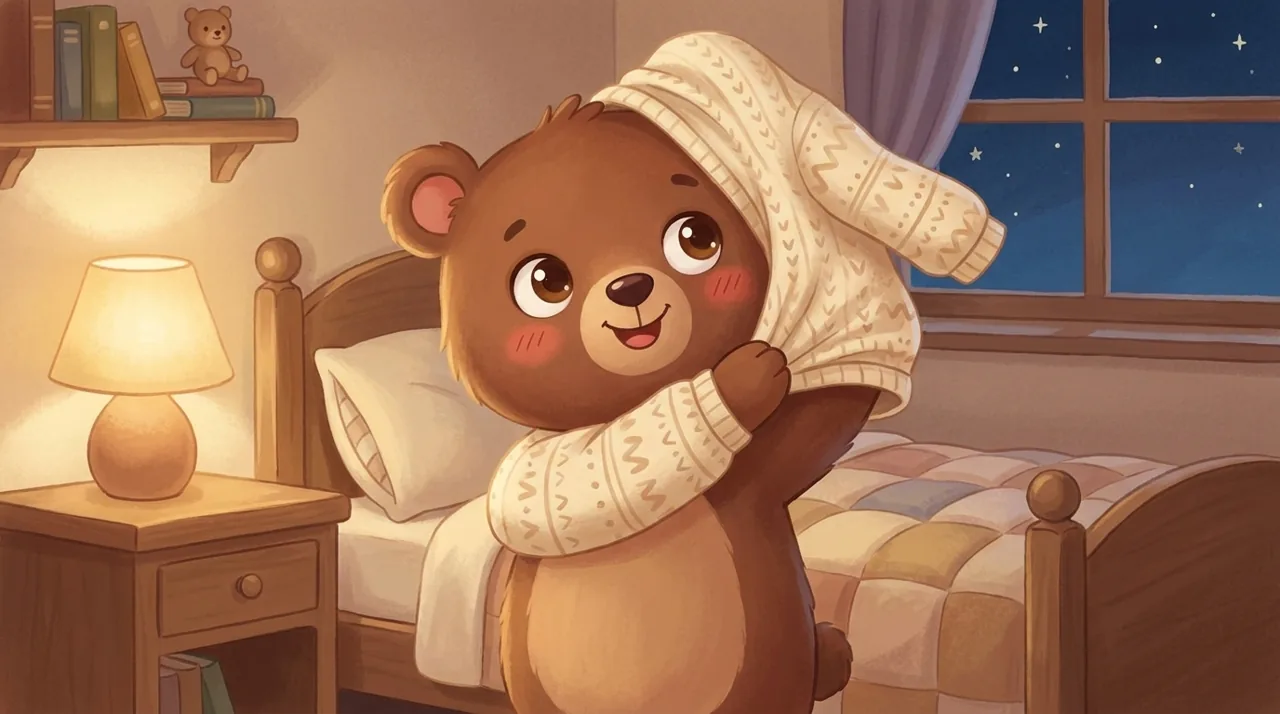
Putting On Pyjamas Alone: The Little Game That Starts the Bedtime Routine
Pyjamas are the first step of the evening, the one that tells the body “we're winding down.” And they're also a lovely chance for independence: a child who puts on their own pyjamas feels grown-up, right before the cuddle and the story. By gently weaving it into the routine and slipping in a little play, you turn a potential chore into a small moment of pride. Here's how to go about it, gently.
Pyjamas, the first signal of the routine
Putting on pyjamas isn't just a practical act: it's a marker. It's the moment that announces the day is ending and calm is on its way. mpedia (AFPA), the parenting site of French paediatricians, describes this very simple evening sequence: the routine can begin “in the bathroom with the bath, then pyjamas before settling your baby into bed”. Pyjamas open the sequence that leads to sleep.
And like any marker, its strength comes from repetition. mpedia puts it clearly: “by repeating the same gestures every evening, you create a soothing and trusting atmosphere”. The same sequence each night (pyjamas, teeth, story, cuddle) reassures a child because they know exactly what comes next. Handing them the pyjamas gives them a role in this routine they know by heart.
A real step toward independence
Behind the pyjamas hides a precious bit of learning: doing it alone. And succeeding alone fills the tank of confidence. Naître et grandir, a Quebec parenting reference site, observes this with getting dressed: when you let them dress themselves, a child “feels proud of doing things with less and less help”. In the evening, this little feat has a special flavour, because it arrives in a tender, peaceful moment.
The parent's posture stays the same as for the rest of independence. Naître et grandir advises, if your child struggles to get dressed: “offer them only the help they need, then let them do the rest of the dressing on their own”. You hold out the top the right way round, you steady the bottoms so they aim better, and you let them finish. The goal isn't speed, it's the feeling of having succeeded on their own. A pyjama top put on inside out and turned the right way round with a laugh beats a perfect pyjama put on by mum or dad.
Turn it into a little game
In the evening, we're often tired, the child as much as us. To keep pyjamas from turning into a tug-of-war, lighten the moment with play. You don't need much: a fun challenge is enough to shift the mood.
- The rocket pyjama. “Can you get your pyjamas on before I count to ten?” The countdown makes the moment exciting, with no real pressure.
- The peekaboo head. For the top, play “peekaboo”: the head popping out through the collar always sparks a burst of laughter.
- The hidden pyjama. Slip the pyjamas under the pillow during the day, and in the evening it's a little treasure hunt before getting dressed.
Play takes nothing away from the routine, quite the opposite: it makes the step joyful and sends the message that getting ready for sleep can be pleasant. Naître et grandir points out how much playing helps a child take ownership of these gestures, for example by letting a little one “play with dress-up clothes” to grow more independent. Pyjamas are really just a sleeper's costume.
“All by Myself, Like a Big Kid”
At school, Lila dares a big first: going to the toilet all by herself, despite the loud noise of the flush. A story about doing it “all by myself”. You handle the cuddle, Tilibou handles the voice.
Listen to the storyHow to weave it into the routine, night after night
The secret is kind consistency. You set pyjamas up as an expected step, always in the same place in the sequence, without making it a big deal. A few pointers to keep things smooth:
- Always keep the same order: pyjamas, then teeth, then story, then cuddle. The child anticipates and cooperates better.
- Get the pyjamas ready ahead of time, set out in plain sight, to avoid the delay that builds up irritation.
- Choose pyjamas that are easy to put on: loose, with no tiny buttons, as Naître et grandir recommends for getting dressed in general.
- Announce pyjamas as the start of a gentle moment, not as an order, by saying what comes next. Naître et grandir points out that the bedtime sequence is easy for a child to understand: “we put on pyjamas after the bath, we read the story before going to bed”.
- Praise the effort, not the perfection. “Well done, you put your pyjamas on all by yourself!”
Little by little, what needed your help will become their own routine. And the evening they proudly announce “I put it on all by myself,” you'll know the pyjamas did far more than keep out the cold: they fed their confidence, right before closing their eyes.
Questions you may be asking
When should pyjamas become part of the bedtime routine?
Pyjamas are naturally part of the routine from very early on. mpedia describes a simple sequence where pyjamas go on before settling the child into bed. Handing them this task comes later, at their own pace: you start by helping a lot, then let them do more and more on their own.
My child refuses to put on their pyjamas, what can I do?
Rather than a tug-of-war, try play and consistency. Naître et grandir highlights the value of play for taking ownership of these gestures, and mpedia points out that repeating the same steps each evening creates a soothing atmosphere. Pyjamas turned into a fun challenge and always set at the same point in the routine often go down far better than a curt instruction.
Should I let them put on their pyjamas even if they're slow or clumsy?
Yes, that's how they learn and how they feel proud. Naître et grandir advises offering them only the help they need, then letting them do the rest of the dressing on their own. Give a nudge at the right moment, and leave the child the pleasure of finishing on their own.