 Tilibou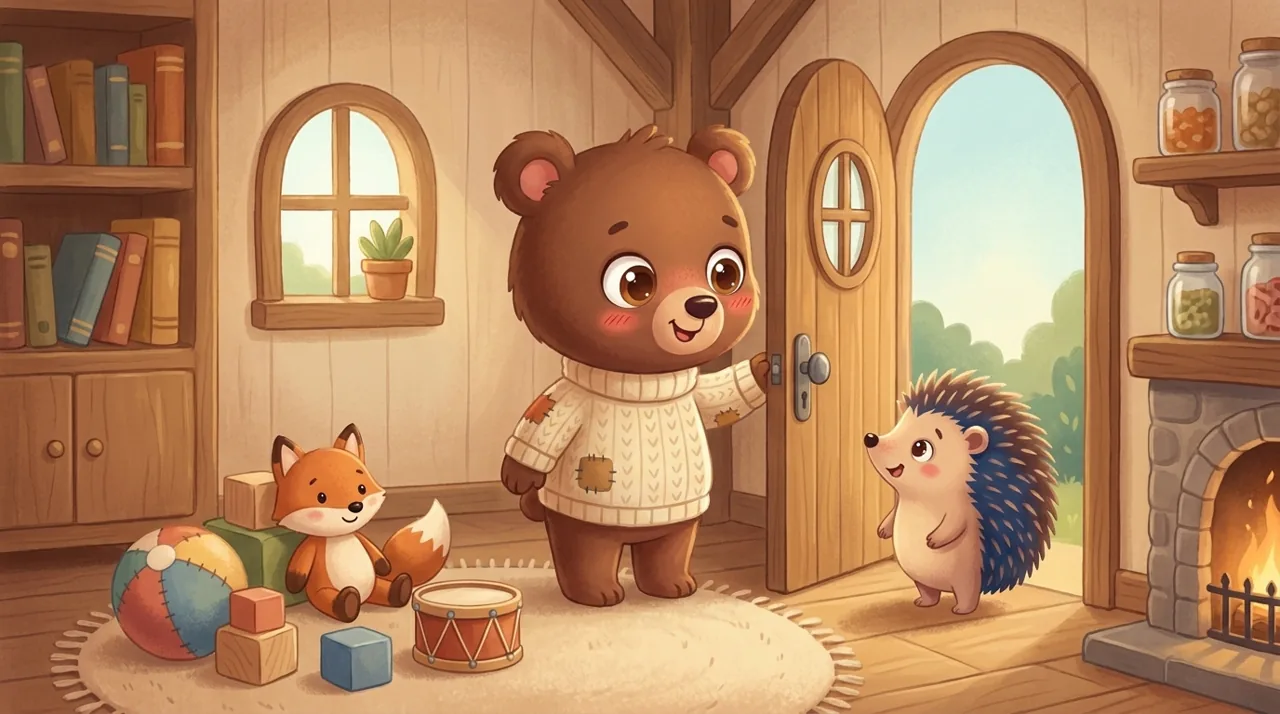
Inviting a friend home for the first time
The first time a friend comes over is a big step. For your child, it isn't just an afternoon of play: it's opening their territory and sharing their toys, which is far from obvious at this age. With a little preparation, by putting away the most precious objects and staying in the background, you turn this delicate moment into real fun. And along the way, you're sowing friendship.
Hosting a friend means opening your territory
Put yourself in their shoes for a second. Their room, their toys, their cozy corner: this whole world is theirs, and suddenly another child shows up in the middle of it. For a little one, that's enormous. Inviting a friend isn't only playing together, it's accepting that someone touches what belongs to them.
It's also a wonderful chance to grow. Child-development experts point out that it's around age 3 that a child shows interest and the need to connect with others, and develops, little by little, their capacity to share and tolerate waiting. Hosting a friend is exactly the ground where these skills are set in motion. You aren't born a host, you become one.
Preparing the meetup before the big day
A bit of anticipation avoids many tears. The most precious reflex comes down to one piece of advice from child-development experts: when you invite other children over, put away your little one's favorite toys. The comfort blanket, the cherished stuffed animal, the toy of the moment they care about above all: set them aside, out of sight.
Why? Because, as experts clearly point out, a child has the right to refuse to share certain objects dear to them. Putting away these treasures in advance spares them having to defend them in the heat of the moment. You can explain it simply: "We're keeping your blanket for you, and we'll bring out the toys we like to share." The rest of the toys then become common playground, without tension.
Friendship stories
On the evening of the first visit, little heads are overflowing. A gentle story where you play, lend and make up helps put words to the day. Screen-free, just your voice and theirs.
Listen to an episodeGetting play going without organizing everything
The two children eyeing each other warily? It's very common at first, and it doesn't mean the meetup is a failure. Child-development experts offer a very simple tip: if your little one stays on their side at the start, invite them to show their toys to the other child, which should encourage them to play together. Showing your toys is a gentle way of saying "welcome to my place."
There's no need, afterward, to direct the afternoon like a conductor. Experts instead invite you to let children invent their own games. Your role is to set the frame and offer a starting point, not to script everything. Often, two children left in peace quickly find their own thread. A box of blocks or an improvised fort is enough to get the magic going.
Sharing their toys, without being forced
At the heart of the afternoon, the big matter remains sharing. And the golden rule, here again, is to encourage without forcing. Child-development experts advise encouraging your child to share, but without forcing them. You praise them when they lend, you highlight "how happy their friend is" when they agree to share a toy. Praise makes them want to; obligation creates standoffs.
Think too about equipping your child with the right words. Experts suggest helping them phrase their requests: "Do you want to play with me?" or "Will you lend me your toy, please?" With these little phrases, a child learns that friendship is negotiated with words, not by yanking on the truck. And when they get stuck on a toy, it's no drama: you gently remind them they can ask again a little later.
Your markers for a successful first visit
So that this first afternoon stays a lovely memory on both sides:
- Put away the favorite toys and the comfort blanket in advance, out of sight.
- Let your child know a friend is coming to play, and explain what's going to happen.
- At the start, invite them to show their toys to break the ice.
- Let them invent their own games, stay available without directing everything.
- Encourage sharing with words, never by force.
One last word to breathe easy: if the first time is a bit bumpy, nothing is lost. Learning to host, to lend, to say "my turn" with words, is built visit after visit. Your calm presence and a little preparation are worth more than a perfect afternoon. Friendship, like sharing, has all the time it needs.
The questions you're asking
At what age should I invite a friend home?
There's no precise age, but it's around age 3, according to child-development experts, that a child shows the interest and need to connect with others and develops, little by little, their capacity to share. Before that, little ones often play side by side rather than together. Every child moves at their own pace: watch for their wish to go toward others.
Should I make my child lend their toys to their guest?
No. Child-development experts advise encouraging sharing without forcing: you praise the child when they lend and you highlight their friend's pleasure. You also put away the favorite toys in advance, because a child has the right to refuse to share objects dear to them. Encouraged sharing makes them want to; imposed sharing creates tension.
What should I do if the two children don't play together?
It's common at first. Child-development experts suggest, if your child stays on their side, inviting them to show their toys to the other, which often helps get play going. Then, let them invent their own games without organizing everything. Two children left in peace frequently find their thread. Stay nearby, ready to offer an idea if needed.