 Tilibou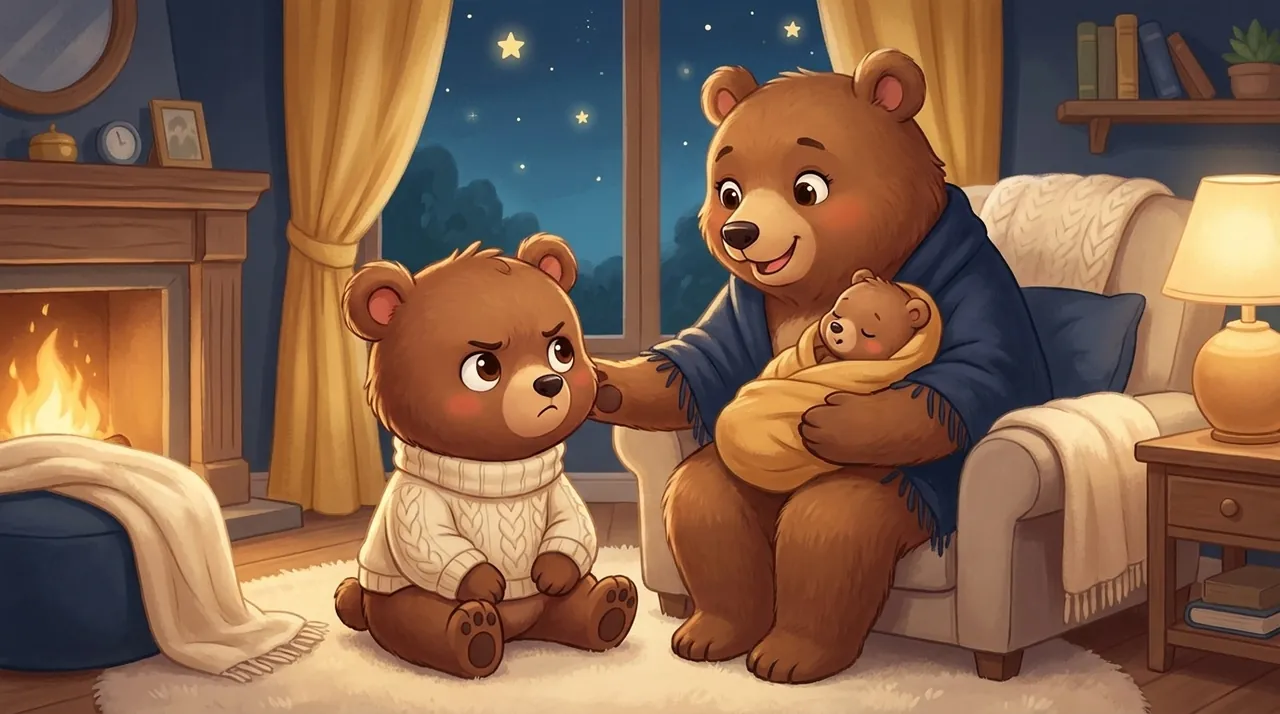
The older child's jealousy: normal, and manageable
An older child's jealousy is a common and healthy reaction: it's their way of saying they're afraid of losing their place. What soothes them is being heard, not scolded. Acknowledging their emotion, keeping moments just for them, and setting a clear boundary when gestures go too far: that's the foundation.
Why does my older child become jealous?
Because their world has just been turned upside down. The attention they had to themselves is now shared, and they feel it deeply. Specialists explain it simply: the child may feel jealous or neglected and believe the baby is taking their place, because their parents devote a lot of time to the newborn.
Above all, jealousy isn't a flaw to correct. It's a message. As it's nicely put: a child who reacts with jealousy is expressing their distress and their need to be reassured about the love their parents have for them. Behind the sulking or the anger, there's a child asking to be reassured.
What does this jealousy look like, by age?
It takes very different forms. Among the littlest, around 1 to 3 years, it often shows openly. A child may even wish the newborn would be taken back to the hospital. Nothing alarming: it's a raw emotion expressing itself without a filter.
After age 3, it's sometimes more subtle. The older child may ignore the baby, take a toy back, or reclaim a lovey given to the little one. On the other hand, some overdo it the other way, very proud and possessive. And jealousy can reappear later, when the baby grows up, starts to walk, and begins touching their things.
How do you respond, concretely?
The first instinct is to welcome the emotion rather than deny it. The effect of this listening: when you acknowledge what they feel, your child feels understood and your empathy soothes them. Tell them they're allowed to find it hard, allowed to be angry at times.
Here are a few gestures that help:
- Tell them, again and again, that you love them as much as before, and as much as the baby.
- Keep a special moment just for them every day, even a short one.
- Involve them in caring for the baby, under your supervision, so they feel useful.
- Welcome their sadness and anger with words, without judging them.
- Remind them of the one firm limit: we don't hurt the baby.
It's put this way: you can limit jealousy by keeping special moments of connection with the older child and by involving them in the care given to the baby.
"It's my shovel!"
A gentle story about sharing, what belongs to us, and what we learn to offer, ideal when little jealousies start to show. The cuddle is you. The voice is Tilibou.
Listen to the episodeAnd if they're rough with the baby?
It happens, and it isn't meanness. It's best read as a call: the child is probably going through real suffering, because they feel excluded. Since they don't have the words yet, they act.
The right response mixes firmness and understanding. A ready-made phrasing: "It's normal to be angry, but I won't let you hurt the baby. When you're angry, you can let your anger out with your words and by moving around to blow off steam." You welcome the emotion, you refuse the gesture. And you never leave the older child alone with the baby.
Should you worry about this jealousy?
In the vast majority of cases, no. It's a stage, and it eases as the older child finds their new place and the bond forms. A child may also not feel threatened at all by the baby. Everyone at their own pace. If, however, your child's distress is intense, lasting, or worrying, talk to your doctor or your pediatrician.
Questions you might be asking
Is sibling jealousy inevitable?
It's common, but not systematic. A child may not feel threatened by the baby's arrival. When jealousy does appear, it's not a failure: it's a normal emotion that eases when the child feels recognized and reassured about their parents' love.
My older child has regressed since the baby arrived, what's the link with jealousy?
The two often go together. A toddler may regress to get attention, for example by asking for a bottle again. It's a way of claiming their share. The advice is to give positive attention rather than react to the regressive behaviors.
How do I find time for the older child when the baby takes everything?
By betting on regularity rather than length. A small special moment every day is more beneficial than one long stretch on the weekend. A few minutes of play or cuddles, every day, is enough to reassure them about their place.