 Tilibou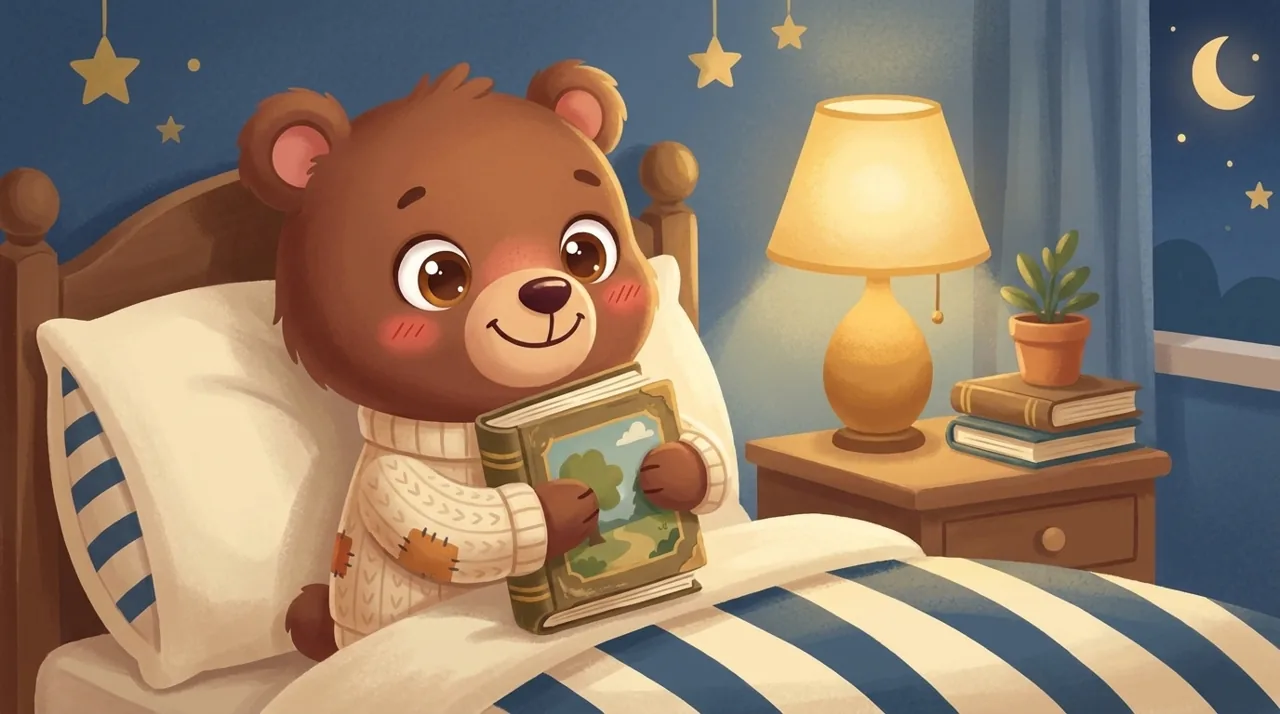
Why they always ask for the same story
The same book, again. The one whose every sentence you know by heart, whose corner is all dog-eared. You suggest something else, they hand it back to you: "no, that one." Good news: this stubbornness isn't a whim, it's a need. Repetition reassures, and it's part of how a young child tames the world and the evening.
What repetition brings your child
For a little one, finding the same story every evening means finding familiar ground. They know what's going to happen. They know the wolf will pop up on that page, that everything will end well on the last one. This predictability is deeply reassuring: in a day full of new things and surprises, the bedtime story becomes a corner of certainty where nothing catches them off guard.
It's exactly the mechanism that gives the bedtime routine its strength in general. As child-health specialists explain, by repeating the same gestures every evening, you create a soothing and confident atmosphere. The same story from one night to the next is one of those repeated gestures. It marks out the evening and signals, without a word, that bedtime is near.
There's also the pleasure of mastery. Hearing the same story over and over, your child anticipates it, fills it in, almost recites it. They're one step ahead, and that feeling of knowing is thrilling for them. Where the adult sees monotony, the child experiences a little victory renewed each evening.
Why it tires us, but not them
The gap is real: for you, the tenth reading is an effort; for them, it's just as good. It's because we're not looking for the same thing. The adult reads to discover, the child rereads to find again. Once the surprise is known, we move on; they, precisely, relish no longer being surprised.
So there's nothing to fix. Asking for the same story on a loop is very common behaviour in toddlers, and it fades on its own with time, when your child feels like looking elsewhere. In the meantime, the appointment with that particular book feels good, and that's what matters in the evening.
Tilibou stories
Bedtime stories you can replay as many times as you like, screen-free. Ideal for children who love finding the same voice and the same story, evening after evening.
Listen to an episodeHow to welcome it without wearing yourself out
Accepting repetition doesn't mean enduring it. A few ways to live it more lightly, while respecting your child's need:
- Say yes wholeheartedly. Your weariness shows; so does your quiet pleasure, and it's the latter that reassures.
- Change the detail, not the story. A different wolf voice, a pause at the right moment: the text stays the same, the game is renewed.
- Leave them gaps to fill. Stop before the sentence they know and let them say it.
- Slip a new book alongside, without taking away the old one. The favourite stays king, but the door is open.
- When you tire, hand over to an audio story: the same one can play on a loop without asking you for a single word.
And if repetition is tiring for you, it has a hidden advantage on the language side. Hearing the same words, the same turns of phrase, your child tames them. Specialists note, in fact, that the voice that tells the story works in itself: the musicality of language is at work even when all the content isn't yet grasped. The hundredth reading is never wasted.
And the day they want to change
It will come, without forcing. One evening, your child will set aside their favourite book for another, then yet another. This shift happens at their own pace, when they feel ready to explore something new. The best thing is to let it happen and to offer, without imposing, new stories alongside the old one.
Until then, enjoy the ritual as it is. That book you know by heart, those sentences they murmur with you, it's a rare moment of closeness. One day, you'll be the one missing hearing them ask for "that one again." In the evening, repetition isn't a problem to solve: it's a gift to savour for as long as it lasts.
The questions you may be asking
Is it normal to ask for the same story every evening?
Yes, it's very common in toddlers. Finding a familiar story reassures them, because they know what's going to happen. This ties into the principle of the repeated ritual: according to child-health specialists, repeating the same gestures creates a soothing and confident atmosphere. This need fades on its own with time.
Should I make them vary the stories?
It's not necessary. Your child will move toward something new when they feel ready. You can slip new books alongside their favourite, without taking it away, and let them choose. Forcing the change mostly risks straining a moment that should stay gentle.
Is rereading the same story useful for them?
Repetition pleases and reassures them, and hearing the same words familiarises your child with language. Specialists point out that the voice that tells the story already works through its musicality, even if the content isn't fully understood. Far from useless, rereading nourishes this contact with words.