 Tilibou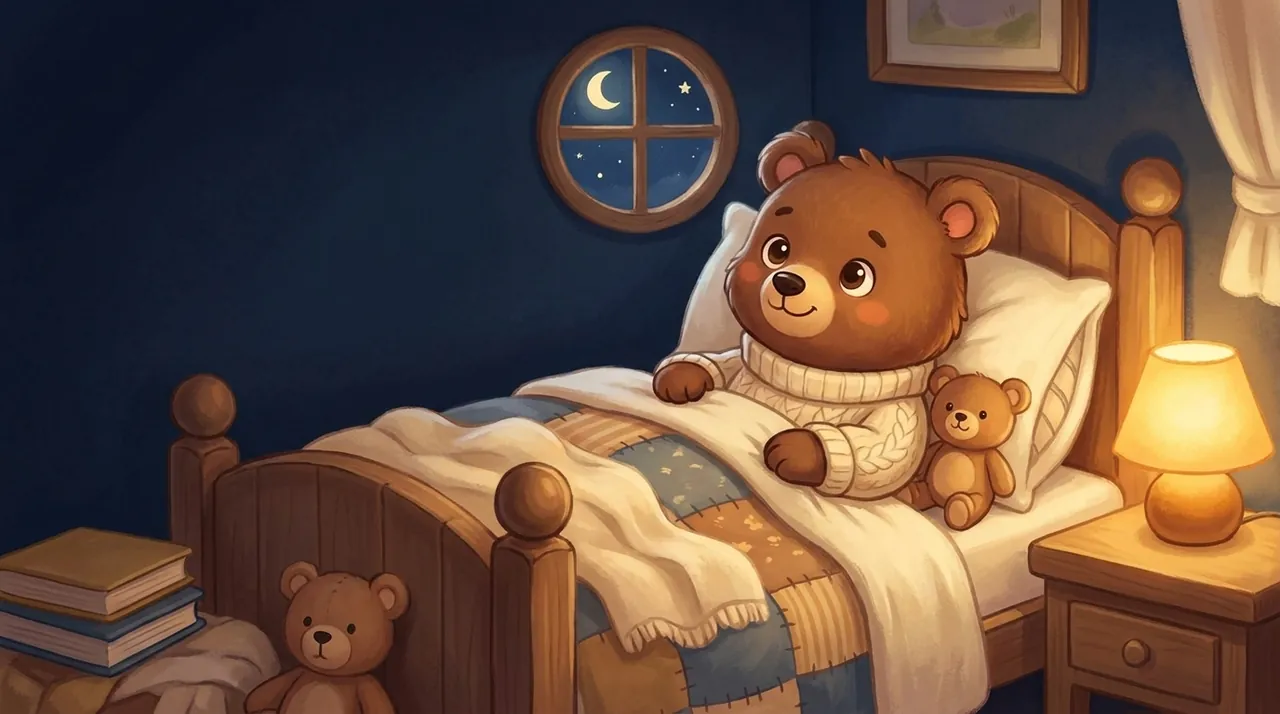
The first night without the parents: preparing your child gently
A first night at the grandparents', a friend's or at camp: for your child, sleeping elsewhere without you is a small big step. The best preparation builds on what already soothes separation anxiety: talking to them about the place in advance, keeping a familiar routine, and slipping into their bag a comfort object that bridges back to home.
Why is this first night a little frightening?
Because sleeping means letting go, and letting go far from you is new. This apprehension is a cousin of separation anxiety, which pediatric guidance defines as a strong fear a child feels at being separated from their parents. In the evening, in an unfamiliar bed, this fear can resurface even in a child who's usually at ease.
It's also a matter of bearings. Sleep loves what's familiar: the bedroom, the smell, the routine. Sleeping elsewhere upends all of that at once. Nothing to worry about: with a little preparation, most children get through this first night very well. Your calm and your confidence count enormously. As pediatric guidance notes, if your child senses you're confident, it will soothe them, because they trust you.
How do I prepare my child before the big evening?
The preparation happens mostly ahead of time, at home. Facing a separation, pediatric guidance advises talking to them about where they're going, taking them there in advance if possible, going over the steps and what's going to happen. Here's how to apply this advice for a night away:
- Tell them where they'll sleep, with whom, and how the evening will go. The familiar reassures.
- If possible, let them see the place and the room beforehand, or show them photos.
- Tell them clearly who's coming to pick them up and when. "We'll come and get you tomorrow, after breakfast."
- Pack their bag together: pyjamas, comfort toy, toothbrush. Taking part builds their confidence.
- Plan their comfort object, that soft toy or animal that bridges to home.
This object isn't a detail. Pediatric guidance explicitly cites giving a comfort object to your child (for example, their favourite soft animal) among the ways to soothe a separation. Slipped into the bag, it carries a little of home into the bed elsewhere.
"Daddy sits down"
A tender story about feeling safe, even when you sleep far from home. To listen to together before leaving, or to take along for the big evening. The cuddle is you. The voice is Tilibou.
Listen to the episodeHow do I keep a familiar routine far from home?
The evening routine is your best luggage. Pediatric guidance recommends keeping a reassuring routine throughout the harder phase (meal times, bedtime, and so on). Even elsewhere, you can reproduce the main steps: the pyjamas, brushing teeth, the story, the evening cuddle. These are bearings the child takes with them.
The bedtime story, above all, travels easily. The same story, listened to in the grandparents' bed just as in their own, recreates a piece of home in a few minutes. The familiar voice soothes, the known tale reassures, and the child finds the way back to sleep even on an unfamiliar pillow. Remember to pass on the bedtime running order to the person looking after them, so they follow the same steps as you.
And if the separation is hard at the moment of leaving?
If your child has a wobble at the goodbye, keep a brief, warm departure. Pediatric guidance recalls it for separations in general: a goodbye ritual is better kept brief and neutral, because prolonging the moment of separation with a child in distress isn't recommended. A cuddle, a word, the reminder of who's coming to get them, and off you go with confidence.
Honour what you've promised, too. Pediatric guidance stresses the importance of keeping to the return time you promised. If you said you'd call at bedtime, do it. These kept commitments build, night after night, the trust that will make the next separations simpler. And remember: tears at the departure don't mean the night will go badly.
The questions you're asking
At what age can a child sleep a first night without their parents?
There's no official age: it depends a great deal on the child and the context. Pediatric guidance recalls that the situation is different for every child facing separation. What helps most isn't the age, but the preparation: talking about the place in advance, keeping a familiar routine and planning a comfort object.
Should I bring the comfort toy and objects from home?
Yes, it's even advised. Pediatric guidance cites the comfort object, like the favourite soft animal, among the ways to help a child through a separation. Bringing their comfort toy, their night light or their usual pillow recreates a little of home and makes falling asleep easier in an unfamiliar place.
My child cried at the moment of leaving, is that a bad sign?
No. Tears at the goodbye are common and don't predict what follows. Pediatric guidance recommends a brief, calm goodbye rather than prolonging the moment. Very often, the child settles once the separation is over and enjoys their evening. If in doubt, ask for news from the person looking after them.